
Every dog owner wants to keep their furry friend out of harm’s way, but even experienced pet parents often overlook simple precautions. Implementing practical dog safety tips can prevent 90% of common accidents, from toxic ingestion to outdoor injuries. Whether you’re raising your first puppy or have years of dog ownership under your belt, this guide covers every critical safety measure you need to know, vetted by certified dog trainers and veterinary professionals.
Why Prioritizing Dog Safety Tips Matters
The Real Cost of Overlooking Dog Safety
Many owners assume their dog is low-risk if they’re well-trained, but accidents happen in seconds. A single ingested grape, an unsecured balcony, or an off-leash encounter with an aggressive dog can lead to thousands of dollars in vet bills, or worse, permanent injury. According to national pet health data, over 100,000 dogs visit emergency vets annually for preventable accidents. That’s why even small adjustments to your routine, like storing medications in high cabinets, make a massive difference.
Common Risks Most Dog Owners Overlook
It’s easy to focus on obvious dangers like busy roads, but many hazards hide in plain sight. For example, many common houseplants like pothos and lilies are toxic to dogs, yet sit on coffee tables in millions of homes. Similarly, small objects like hair ties, batteries, and children’s toys can cause life-threatening intestinal blockages if swallowed. Our comprehensive guide to dog-proofing your home breaks down every hidden risk room-by-room, so you don’t have to guess what to secure.
- Toxic human foods like chocolate, grapes, and xylitol (found in sugar-free gum)
- Unsecured windows and balconies that allow dogs to jump or fall
- Retractable leashes that snap or allow dogs to run into traffic
- Extreme temperatures that cause heatstroke or hypothermia
- Unfamiliar dogs at public parks that may act aggressively
Indoor Dog Safety Tips
Secure Hazardous Items in Your Home
Start with a full sweep of your home to remove or lock away anything that could harm your dog. Store cleaning supplies, medications, and cosmetics in high, locked cabinets — dogs can easily knock over open trash cans or chew through low cabinet doors. Keep laundry baskets off the floor, as socks and underwear are common causes of intestinal blockages. If you have a curious puppy, consider installing baby gates to block access to high-risk areas like the kitchen or garage.
- Use childproof latches on low cabinets to prevent prying paws
- Store all human food in sealed containers or the fridge, not on countertops
- Keep electrical cords tucked away or covered with cord protectors to prevent chewing
- Remove toxic houseplants or place them on high shelves out of reach
Prevent Access to Dangerous Foods
Many human foods are toxic to dogs, even in small amounts. Chocolate, avocado, onions, garlic, and xylitol (a sugar substitute found in many sugar-free products) can cause vomiting, organ failure, or death. Never leave plates unattended on the coffee table, and remind guests not to feed your dog table scraps. If you’re unsure if a food is safe, check the ASPCA’s evidence-based dog safety recommendations before sharing a snack with your pup.
Outdoor Dog Safety Tips
Choose Safe Public Spaces for Your Pup
Not all outdoor spaces are safe for dogs. Dog parks, for example, can be high-risk if they’re not properly maintained or if owners don’t supervise their pets. Before visiting a new park, check that it has separate areas for small and large dogs, secure fencing, and clean water stations. Our detailed analysis of dog park safety risks covers exactly what to look for before letting your dog off-leash, including red flags like broken fences or aggressive dogs roaming unchecked.
Protect Your Dog from Extreme Weather
Dogs are far more sensitive to temperature changes than humans. In summer, never leave your dog in a parked car — even on a 70°F day, interior temperatures can reach 100°F in 10 minutes, leading to fatal heatstroke. Provide plenty of shade and fresh water when spending time outdoors, and limit exercise to early morning or late evening when temperatures are cooler. In winter, short-haired dogs may need a jacket for walks, and you should wipe their paws after being outside to remove salt and ice melt, which can irritate their skin.
- Check pavement temperature with your hand — if it’s too hot for your palm, it’s too hot for your dog’s paws
- Use dog-safe sunscreen on exposed skin (like noses and ears) to prevent sunburn
- Avoid walking on frozen ponds or lakes, as thin ice can break under your dog’s weight
- Provide a warm, insulated dog house if your pup spends time outdoors in cold weather
Travel and Activity Dog Safety Tips
Use Proper Restraints During Car Rides
Unrestrained dogs are a leading cause of distracted driving accidents, and they’re far more likely to be injured in a crash. Use a crash-tested dog car harness or a secured crate to keep your dog safe during travel. Never let your dog ride in the bed of a pickup truck, as they can be thrown out during sudden stops or swerves. If you’re flying with your dog, research airline-approved carriers and book direct flights to minimize stress.
Keep Your Dog Entertained Safely
Bored dogs are more likely to get into trouble, so provide safe, long-lasting chews and interactive toys to keep them occupied. Avoid giving cooked bones, which can splinter and cause internal injuries, and choose puppy-safe chews for teething dogs. If you work long hours, consider a treat-dispensing camera to check in on your pup and provide mental stimulation while you’re away.
Emergency Dog Safety Tips
What to Do If Your Dog Eats Something Toxic
If you suspect your dog has ingested something toxic, stay calm and act fast. Call your vet or the ASPCA Poison Control Center immediately — do not induce vomiting unless instructed to do so, as some toxins (like bleach or batteries) can cause more damage coming back up. Have the product label or a sample of the ingested item ready to share with the vet, so they can recommend the right treatment.
How to Handle Dog Fights Safely
Never try to break up a dog fight with your hands; you’re likely to get bitten. Instead, use a loud noise (like a whistle or air horn) to startle the dogs, or spray them with a hose if water is available. If you must physically intervene, grab the dogs by their back legs and pull them apart, then separate them immediately in different rooms. If your dog is injured, apply gentle pressure to bleeding wounds and take them to the vet right away.
Frequently Asked Questions About Dog Safety Tips
How often should I review my dog’s safety setup?
Review your safety setup every 3–6 months, or whenever you make changes to your home (like moving to a new house or getting new furniture). Puppies grow quickly and can reach higher shelves or chew through tougher materials as they age, so adjust your precautions accordingly.
Are retractable leashes safe for dogs?
Retractable leashes are generally not recommended for most dogs, as they can snap under pressure, allow dogs to run into traffic, or cause rope burn if the cord wraps around your hand. Standard 6-foot nylon leashes are safer for walks, as they give you better control over your dog’s movements.
Can dogs get sunburned?
Yes, dogs with short fur, light skin, or exposed noses and ears are prone to sunburn, which can lead to skin cancer over time. Use a dog-safe sunscreen on these areas when spending time outdoors, and limit sun exposure during peak hours (10am–4pm).
What should I include in a dog emergency go bag?
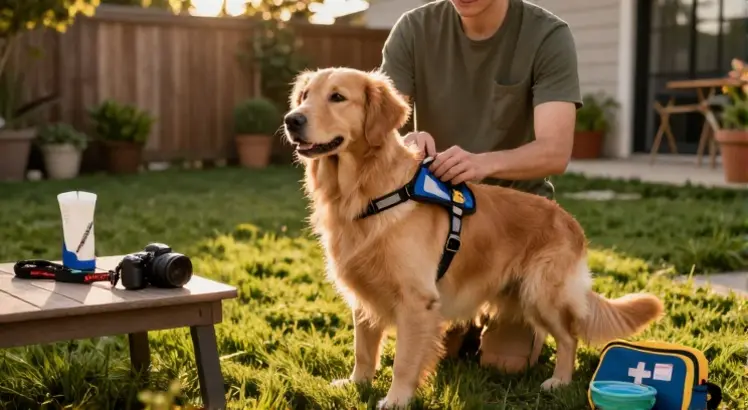
Your dog’s emergency bag should include 3 days of food and water, medications, a first aid kit, copies of vet records, a leash and harness, and a recent photo of your dog in case they get lost. Store the bag in an easy-to-access spot so you can grab it quickly during an emergency.
Conclusion
Keeping your dog safe doesn’t require expensive gear or hours of work, small, consistent changes to your routine add up to massive protection for your furry friend. Start by dog-proofing your home, researching safe outdoor spaces, and preparing an emergency kit, then review your precautions regularly as your dog grows. For more in-depth guidance, check out our comprehensive guide to dog-proofing your home and detailed analysis of dog park safety risks linked above. With these dog safety tips, you can enjoy more worry-free adventures with your pup for years to come.