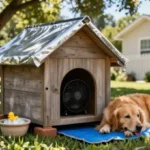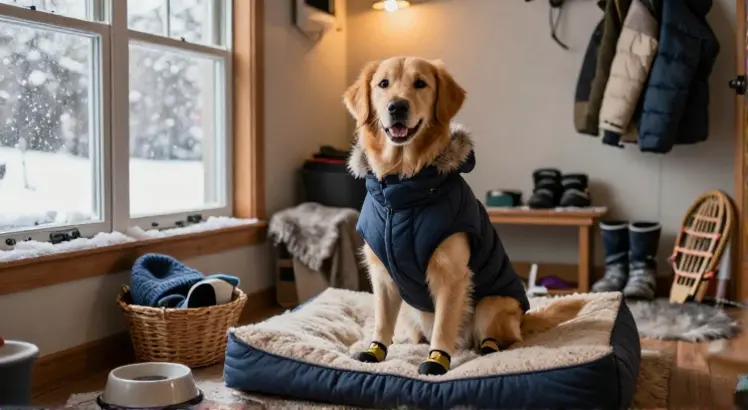

If you’re a dog owner who keeps your pup outdoors part-time, you’ve probably asked yourself: Can dogs survive in the cold with a dog house? The short answer is yes, but only if the shelter is properly built, positioned, and maintained for freezing temperatures. Unlike humans, dogs have fur coats, but that doesn’t mean they’re immune to hypothermia, frostbite, or dehydration in subzero weather. According to cold weather safety guidelines, even double-coated Arctic breeds can develop life-threatening conditions if left in wet, drafty shelters for extended periods.

Ketive 55\”L Dog House Outdoor Large Breed Extra XL Wooden Dog House with Weatherproof Asphalt Roof, All-Around Iron Frame, Removable Floor, Openable Top Roof, Air Vents Window for Medium to Large Dogs
Check PriceWhat Makes a Dog House Safe for Cold Weather?
Not all dog houses are created equal. A flimsy, plastic shelter from a discount store will not protect a dog from freezing temperatures, no matter how thick their fur is. Safe cold-weather dog houses must meet three core criteria: proper insulation, weatherproof materials, and correct placement.
Proper Insulation and Size
Insulation is the single most important feature of a winter-ready dog house. The shelter should be small enough that the dog’s body heat can warm the interior, but large enough that they can stand up, turn around, and lie down comfortably. A house that is too big will let heat escape quickly, while one that is too small will cause stress and restrict movement. For insulation, look for houses with foam-lined walls, or add your own rigid foam insulation to the interior walls and roof. Avoid using space heaters or heating pads unless they are specifically designed for outdoor pet shelters, as these pose a fire risk.
Weatherproof Materials
Wooden dog houses are generally better for cold weather than plastic, as wood retains heat more effectively. However, they must be treated with weatherproof sealant to prevent rot and leaks. Plastic houses are lighter and easier to clean, but they conduct cold more easily, so they require extra insulation. All dog houses should have a sloped roof to shed rain and snow, and a raised floor (at least 2-3 inches off the ground) to prevent moisture from seeping in from the frozen earth.
Correct Placement
Where you place the dog house matters as much as the house itself. Position the shelter in a spot that is protected from prevailing winds, ideally against a wall of your house or a fence. Face the door away from the wind, and consider adding a flexible vinyl flap over the entrance to block drafts while letting the dog enter and exit easily. Never place a dog house in a low-lying area where snow or water will pool, as this will soak the bedding and freeze quickly.
Dog-Specific Factors That Affect Cold Tolerance
Ketive 55\”L Dog House Outdoor Large Breed Extra XL Wooden Dog House with Weatherproof Asphalt Roof, All-Around Iron Frame, Removable Floor, Openable Top Roof, Air Vents Window for Medium to Large Dogs
Check PriceEven the best dog house cannot protect a dog that is not physically equipped to handle cold weather. A 120-pound Alaskan Malamute will fare far better in a dog house than a 5-pound Chihuahua, for example. Here are the key dog-specific factors to consider:
Breed and Coat Type
Double-coated breeds (like Huskies, Malamutes, and Saint Bernards) have a dense undercoat that traps body heat, making them naturally more tolerant of cold weather. Single-coated breeds (like Greyhounds, Dobermans, and Boxers) have thin fur that provides little insulation, even with a dog jacket. Short-legged breeds (like Corgis and Dachshunds) are also more vulnerable, as their bellies are closer to the frozen ground. Brachycephalic (flat-faced) breeds like Pugs and Bulldogs struggle to regulate their body temperature in all extremes, including cold.
Age and Health Status
Puppies, senior dogs, and dogs with chronic health conditions (like diabetes, kidney disease, or heart disease) cannot survive in cold weather dog houses, even with perfect insulation. Puppies have not yet developed the ability to regulate their body temperature, while senior dogs have slower metabolisms that make it harder to generate heat. Dogs on medication that suppress the immune system are also at higher risk of cold-related illness.
Acclimation to Outdoor Living
Dogs that have lived indoors their entire lives will not adjust to sleeping in a dog house overnight, even if the shelter is warm. They need weeks of gradual exposure to cooler temperatures to build up their cold tolerance. Dogs that are left outdoors suddenly during a cold snap are far more likely to develop hypothermia than dogs that have been living outdoors year-round.
How to Winterize a Dog House for Subzero Temperatures
If you plan to leave your dog in a dog house during freezing weather, you must take extra steps to winterize the shelter. For more detailed tips on bedding and draft-proofing, check out our step-by-step winter warming guide for outdoor dogs.
Add Bedding and Insulation
Replace thin summer bedding with thick, moisture-wicking materials like cedar shavings, straw, or orthopedic memory foam. Avoid using blankets or towels, as these absorb moisture and freeze quickly, pulling heat away from the dog’s body. Add an extra layer of rigid foam insulation to the interior walls and roof if the house is not pre-insulated. You can also line the floor with a rubber mat to add an extra barrier against the cold ground.
Block Drafts and Elevate the Shelter
Seal any gaps around the door, roof, or walls with weatherstripping. Add a vinyl flap door to block wind and snow, but make sure it is lightweight enough for your dog to push open easily. If the house is not already raised, place it on concrete blocks or a wooden pallet to lift it 3-4 inches off the ground. This prevents moisture from seeping in and keeps the floor warmer.
Provide Unfrozen Water and High-Calorie Food
Dogs burn more calories in cold weather to stay warm, so increase their daily food intake by 10-20% during freezing spells. Provide fresh, unfrozen water at all times—use a heated water bowl or check the bowl every 2-3 hours to break ice. Dehydration sets in quickly in cold weather, as dogs are less likely to drink ice-cold water.
When a Dog House Is Not Enough
There are many scenarios where even a perfectly winterized dog house cannot keep a dog safe. For a full breakdown of temperature limits by breed and shelter type, read our guide to how cold is too cold for a dog house.
Temperature Thresholds to Watch
As a general rule, bring all dogs indoors when temperatures drop below 20°F (-7°C), even if they have a warm dog house. For small, single-coated, or senior dogs, bring them indoors when temperatures drop below 40°F (4°C). Wind chill can make temperatures feel 10-20 degrees colder, so adjust your threshold accordingly during storms or high winds.
Signs of Hypothermia and Frostbite
Check on your outdoor dog every 4-6 hours during cold weather for these warning signs:
- Shivering that does not stop after 10 minutes
- Lethargy or weakness
- Pale or blue gums
- Stiff muscles or difficulty walking
- Cold ears, tail, or paws (signs of frostbite)
- Confusion or unresponsiveness
If you notice any of these signs, bring the dog indoors immediately, wrap them in warm blankets, and contact your veterinarian. Hypothermia can be fatal within 30 minutes if left untreated.
Frequently Asked Questions
Can a husky survive in a dog house in winter?
Yes, healthy adult Huskies can typically survive in a well-insulated dog house in temperatures as low as -20°F, provided they have access to unfrozen water and extra food. However, they should still be checked on regularly, and brought indoors during blizzards or wind chills below -30°F.
Do I need to heat a dog house for cold weather?
Most dogs do not need a heated dog house if the shelter is properly insulated and the temperature is above 20°F. Heated shelters pose a fire risk unless they are specifically designed for outdoor use. If you choose to use a heated pad, make sure it is chew-proof and has an automatic shut-off feature.
How often should I check on an outdoor dog in freezing weather?
Check on outdoor dogs every 4-6 hours during freezing weather. Look for signs of hypothermia, check that their water is not frozen, and ensure their bedding is dry. Increase check-ins to every 2 hours if temperatures drop below 10°F.
Can puppies survive in a dog house in the cold?
No, puppies under 6 months old cannot regulate their body temperature and should never be left in a dog house in cold weather. They are at high risk of fatal hypothermia even in temperatures above 40°F.
Is a plastic or wooden dog house better for cold weather?
Wooden dog houses are better for cold weather, as wood retains heat more effectively than plastic. Plastic houses require extra insulation to provide the same level of warmth. However, plastic houses are easier to clean and less likely to rot if they get wet.
Conclusion
So, can dogs survive in the cold with a dog house? They can, but only if you take the time to choose the right shelter, winterize it properly, and monitor your dog’s health closely. Always prioritize bringing your dog indoors during extreme cold, and never assume that a fur coat is enough to protect them from freezing temperatures. If you are unsure if your dog’s shelter is safe, err on the side of caution and bring them inside. Your dog’s safety is always worth the extra effort.