
Calcium is one of the most important minerals in your dog’s diet. It supports strong bones and teeth, proper muscle function, nerve signaling, and blood clotting. When owners ask How do dogs get calcium? They are usually trying to work out whether regular dog food is enough, whether they should add natural sources like eggshells or yogurt, and if things like chicken bones are safe.
This in‑depth guide explains best calcium supplements for dogs, how dogs get calcium, how much they need at different life stages, which foods and supplements are safe, why chicken bones are risky, and how to spot and prevent calcium imbalances. It’s written for everyday owners, raw‑feeders, and people making homemade dog food who want clear, practical guidance rather than guesswork.
9 Best Calcium Supplements for Dogs
Dogs need the right balance of nutrients to stay healthy, and calcium plays a big role in keeping their bones, teeth, muscles, and nerves functioning properly. While most dogs get enough calcium from a well-balanced diet, some pups, especially growing puppies, large breeds, or dogs with specific health needs, might benefit from a supplement. But with so many options out there, it can be hard to know which ones are safe, effective, and worth considering.
In this article, we’ll look at the 9 best calcium supplements for dogs, breaking down what they are, how they work, and what to consider when choosing the right one for your furry friend’s needs.
1. Animal Essentials Sea‑Cal Seaweed Calcium Powder

Animal Essentials Sea‑Cal Seaweed Calcium Powder
Why it stands out: A pet‑specific, plant‑based calcium powder made from calcified Icelandic red seaweed (Lithothamnium sp.), designed for dogs and cats on raw or homemade diets who need a clean, highly bioavailable calcium source.
Check PriceKey points
- Source: Icelandic calcified seaweed
- Nutrients: Calcium plus magnesium, boron, zinc and other trace minerals
- Form: Fine powder, easy to mix with food
- Positioning: Up to ~70% bioavailable due to porous seaweed structure (higher than typical bone meal)
- Quality: Lab‑tested for purity; marketed as free from lead, hormones, and common contaminants
- Pack size: 12 oz pouch (also available as pack of 2)
- Price: About $24.99 single pack
Pros
- Species‑appropriate: formulated specifically for dogs and cats
- High digestibility; you need relatively small amounts to meet calcium needs
- Non‑animal, vegan calcium source for pets with sensitivities or owners avoiding bone products
- Clean label and tested for contaminants
Cons
- No added vitamin D, so absorption still depends on the rest of the diet
- More expensive than generic calcium carbonate powders
- Pure calcium source – not a complete multi; you still need a balanced diet
Best for
Owners feeding raw or home‑cooked diets who want a pet‑specific, plant‑based calcium source with good bioavailability and extra trace minerals, rather than bone meal or eggshells.
2. Nutricost Calcium Carbonate Powder 500 g

Nutricost Calcium Carbonate Powder 500 Grams
Why it stands out: A human‑grade, single‑ingredient calcium carbonate powder that’s very inexpensive per gram of calcium, sometimes used by experienced owners and nutritionists in home‑formulated pet diets.
Check PriceKey points
- Ingredient: Pure calcium carbonate
- Per serving: ~650 mg calcium per ½ level teaspoon (1.6 g)
- Size: 500 g (17.64 oz) tub
- Quality: Non‑GMO, gluten‑free, third‑party tested; made in a GMP, FDA‑registered facility
- Price: Around $13.95 per tub
Pros
- Extremely cost‑effective source of elemental calcium
- Simple composition; no flavors, fillers, or extras
- Easy to weigh and dose accurately in formulated recipes
Cons
- Not formulated or labeled for pets; no guidance on canine dosing or Ca:P balance
- No vitamin D or other minerals – strictly a calcium source
- Easy to over‑ or under‑dose if you’re not calculating the diet properly
Best for
Owners working under veterinary or nutritionist guidance on homemade diets who want a cheap, precise calcium source. Not ideal for casual supplementation without a clear dosing plan.
3. Revival Animal Health Doc Roy’s Healthy Bones
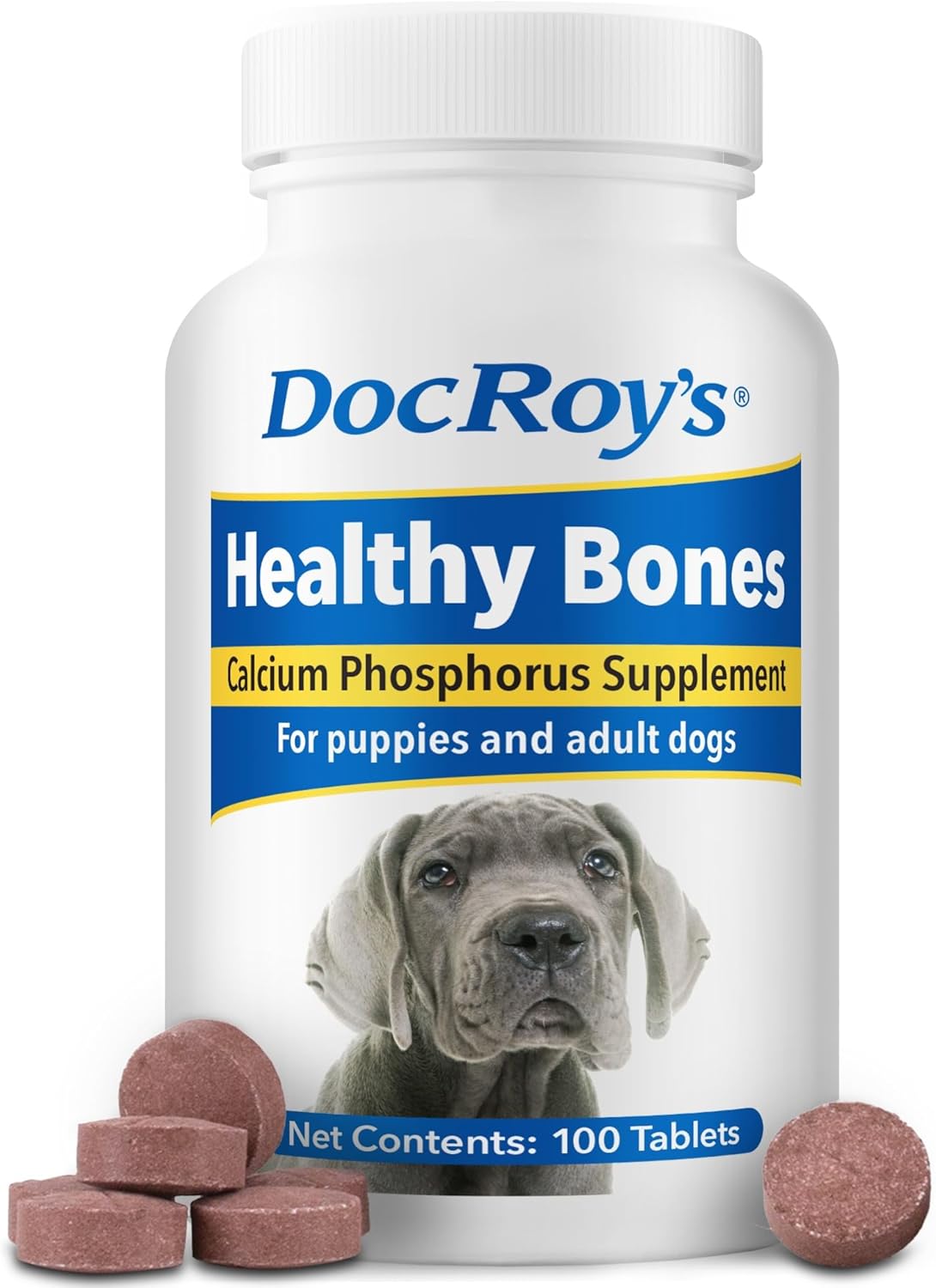
Doc Roy’s Healthy Bones Calcium Phosphorus Supplement Vitamin for Puppies, Dogs
Why it stands out: A vet‑formulated chewable calcium‑phosphorus supplement designed for fast‑growing puppies, kittens and lactating females, with an ideal Ca:P ratio and added micro‑nutrients.
Check PriceKey points
- Form: Roast beef & liver flavored chewable tablets
- Target species: Dogs, puppies, cats, kittens
- Ca:P ratio: 1.29 : 1 (optimized for bone mineralization)
- Role: Supports bone and teeth development, especially during rapid growth and lactation
- Extras: “Micro Essentials” – additional vitamins/minerals to support bone metabolism
- Pack size: 100 tablets; also a 700 g granule format
- Price: About $39.99 per 100‑count bottle
Pros
- Balanced calcium‑phosphorus ratio tailored for growth
- Highly palatable flavor makes daily dosing easier
- Suitable for multiple species and life stages (growing and lactating animals)
- Backed by a recognizable veterinary brand
Cons
- Higher price per dose compared with plain powders
- Contains animal flavors; not suitable for strict vegetarian/vegan households
- Overkill for healthy adult pets already on complete commercial food
Best for
Breeders and owners of rapidly growing puppies/kittens or nursing mothers who want a convenient, palatable way to support skeletal development without doing their own mineral calculations.
4. Pet Naturals Daily Multivitamin for Dogs

Pet Naturals Daily Multivitamin for Dogs
Why it stands out: A broad‑spectrum multivitamin (not just calcium) that fills common nutritional gaps in commercial, homemade, and raw diets for dogs of all ages.
Check PriceKey points
- Form: Soft chew, vegetable flavor
- Nutrients: 30 carefully selected vitamins, minerals, amino acids and antioxidants (includes calcium and phosphorus among others)
- Targets: Overall health, immune support, coat, metabolism; not solely bone health
- Use case: Rounds out homemade, specialty, or raw diets with missing micronutrients
- Quality: Vet‑formulated; NASC‑approved; made in the USA
- Pack size: 30 chews
- Price: Around $11.50 (≈ $0.38 per chew)
Pros
- Comprehensive nutrient profile rather than only calcium
- Good “insurance policy” for homemade or unbalanced diets
- Soft, tasty chew is easy to give as a daily treat
- Appropriate for puppies, adults, and seniors
Cons
- Calcium content is modest; not a dedicated calcium supplement
- May duplicate nutrients already in a high‑quality complete food
- Some picky dogs may not like the veggie flavor
Best for
Dog owners who want a daily multi to help cover general vitamin/mineral gaps, especially when feeding home‑cooked or raw diets, rather than a targeted high‑calcium product.
5. Pet’s Friend Calcium for Dogs – 6 oz Eggshell Powder

Pet’s Friend Calcium for Dogs – Fine Eggshell Powder
Why it stands out: A fine, pasteurized eggshell powder that provides a very high concentration of elemental calcium with low phosphorus, ideal for balancing meat‑heavy homemade diets.
Check PriceKey points
- Active ingredient: 100% pasteurized eggshell powder
- Calcium concentration: 1,900 mg elemental calcium per teaspoon
- Phosphorus: Low – eggshell is mostly calcium carbonate
- Form: Ultra‑fine powder; no fillers or additives
- Application: 1 tsp per 1 lb of pet food (or as your vet directs)
- Volume: 6 oz
- Price: About $19.95
Pros
- Very potent and natural calcium source
- Easy to mix into wet or raw food; fast‑absorbing powder
- Low phosphorus makes it perfect for meat‑heavy diets where phosphorus is already high
- Non‑bovine source – good for pets with beef sensitivities
Cons
- Egg‑derived; may not suit dogs with severe egg allergies
- Must be measured carefully due to high calcium density
- Pure calcium only – no added vitamin D or other minerals
Best for
Owners feeding home‑prepared meat‑based diets who need a reliable, low‑phosphorus calcium source to balance the calcium‑to‑phosphorus ratio without using bones.
6. NaturVet Calcium-Phosphorus For Dogs, Supports Strong & Healthy Bones – 16 Oz

NaturVet Calcium-Phosphorus For Dogs, Supports Strong & Healthy Bones
Why it stands out: A bone‑support powder combining calcium, phosphorus, and vitamin D to enhance mineral absorption, aimed at puppies, large‑breed youngsters, and pregnant/lactating dogs.
Check PriceKey points
- Form: Powder, 1 lb (16 oz) tub
- For: Dogs over 12 weeks old
- Nutrients: Calcium, phosphorus, plus vitamin D for optimal absorption and balance
- Application: Mixed with food
- Quality: Vet‑formulated; made in the USA in an FDA‑audited, cGMP‑compliant facility
- Guarantee: 100% satisfaction or money back
- Price: Around $24.97 (≈ $1.56/oz)
Pros
- Vitamin D inclusion improves calcium/phosphorus utilization
- Designed specifically for bone growth and maintenance
- Easy to adjust dosage for different dog sizes
- Good value for a 1 lb bone‑support formula
Cons
- Powder can be messy compared with tablets or chews
- Not needed for healthy adult dogs on a balanced commercial diet
- Only suitable for dogs (not labeled for cats)
Best for
Puppies (especially large breeds), pregnant or lactating females, and dogs on home‑prepared diets needing extra bone support with a built‑in vitamin D component.
7. PetAg Sure Grow 100 – 100 Chewable Tablets

PetAg Sure Grow 100 with Calcium, Phosphorus, and Vitamins
Why it stands out: A long‑standing puppy bone supplement combining calcium, phosphorus, and vitamins A & D, widely used by breeders to support skeletal development and connective tissue in growing dogs.
Check PriceKey points
- Form: Chewable tablets, liver‑flavored
- Use: For puppies 8+ weeks during rapid growth; can also be used in pregnant/lactating females and some older dogs needing bone support
- Actives: Calcium, phosphorus, vitamins A & D
- Benefits: Supports bone, ligament, tendon, and connective tissue strength
- Pack: 100 tablets
- Price: About $21.68 (≈ $0.22 per tablet)
Pros
- Highly palatable, making daily dosing simple
- Well‑known among breeders and show dog owners
- Focuses specifically on skeletal and connective tissue development
- Can be mixed with food or given directly
Cons
- Contains vitamin A and D – you must avoid over‑supplementing if using other fortified foods/supplements
- Not needed for puppies already on a high‑quality growth diet unless a vet recommends it
- Not labeled for cats
Best for
Breeders and owners of fast‑growing, larger‑breed puppies who want a chewable bone and connective‑tissue support supplement with a track record in the breeding community.
8. Nature’s Best Seaweed Calcium for Pets – 14 oz

Nature’s Best Seaweed Calcium for Dogs – 14 oz
Why it stands out: A large jar of pure Icelandic seaweed calcium powder marketed for pets, similar in concept to Sea‑Cal but in a bigger 14 oz format, with strong quality certifications.
Check PriceKey points
- Ingredient: 100% wild‑harvested Icelandic calcareous marine algae (Lithothamnion sp.)
- Calcium content: 1,440 mg bioavailable calcium per teaspoon
- Certifications: Kosher, halal, EU health certified, allergen‑free, GMO‑free, vegan
- Form: Tasteless powder; can be added to hot or cold foods
- Quality: Lab‑tested for impurities; 30‑day money‑back guarantee
- Size: 14 oz wide‑mouth jar
- Price: Around $24.95 (≈ $1.78/oz)
Pros
- Highly bioavailable plant‑based calcium
- Large quantity provides long‑term supply
- Very clean label with multiple certifications
- Neutral taste makes it easy to hide in food
Cons
- No added vitamin D or other minerals – must be supplied by the diet
- Premium pedigree comes at a higher price than basic calcium carbonate
- Dosing for pets must be calculated; not pet‑labeled with detailed canine directions
Best for
Pet owners looking for a large, certified‑clean, vegan seaweed calcium to support raw or homemade diets, who are comfortable adjusting dosage based on weight and diet.
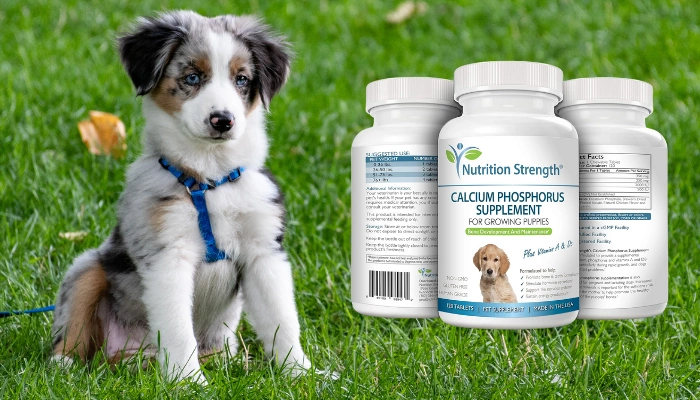
9. Nutrition Strength Calcium Phosphorus Chewable Tablets for Dogs – 120 ct

Nutrition Strength Calcium Phosphorus Chewable Tablets for Dogs
Why it stands out: A dog‑specific chewable supplement that combines calcium, phosphorus, and vitamins A and D3 in a complete formula for puppy bone development and adult bone support, backed by a 365‑day guarantee.
Check PriceKey points
- Form: Chewable tablets
- Targets: Puppies (especially during rapid growth) and adults needing bone support
- Nutrients: Calcium, phosphorus, vitamin A, vitamin D3
- Directions: 1–4 tablets daily depending on dog weight (0–25 lbs: 1; 26–50 lbs: 2; 51–75 lbs: 3; 76+ lbs: 4)
- Features: Grain‑free, gluten‑free, made in the USA
- Guarantee: 365‑day satisfaction guarantee
- Price: About $39.99 (discounted to $35.99+ with Subscribe & Save)
Pros
- Complete bone‑support profile with both minerals and key vitamins
- Weight‑based dosing makes it easy to scale for different dogs
- Chewable format is generally easy to give, with decent palatability reported
- Long satisfaction guarantee suggests brand confidence
Cons
- More expensive than some powders or single‑ingredient supplements
- Not a multi; focuses on bone health rather than full‑body nutrition
- Must be used cautiously alongside other vitamin‑fortified foods to avoid excess A/D
Best for
Owners who want a dog‑specific, all‑in‑one calcium‑phosphorus‑A‑D3 bone supplement in chewable form for growing puppies or adults with increased skeletal demands.
How Do Dogs Get Calcium?
Why Dogs Need Calcium in Their Diet
Dogs can’t make calcium on their own – they must get it from food. Once eaten, calcium is absorbed in the intestines (with help from vitamin D) and then used throughout the body to:
- Build and maintain bones and teeth
- Enable muscle contraction (including the heart)
- Support nerve function
- Help blood clot properly
If a dog doesn’t get enough calcium in their diet, the body pulls it from bones to keep essential functions going, gradually weakening the skeleton. If a dog gets too much, it can interfere with other minerals and strain bones, joints, and kidneys.
Where Do Dogs Get Calcium From?
For most dogs, calcium comes from:
- Complete commercial dog food – Quality dry and wet foods labeled as complete and balanced are formulated to meet recognized guidelines (such as NRC and AAFCO) for calcium and other nutrients. For a healthy adult on such a diet, extra calcium is usually not needed.
- Natural food sources – Foods like dairy, fish with bones, leafy greens, bone broth, and eggshells can all contribute extra calcium when used appropriately.
- Calcium supplements – Powders, tablets, liquids, and bone meal products can add calcium, especially for dogs on homemade or raw diets. These should be used only when necessary and ideally under veterinary guidance.
For most healthy adult dogs eating a balanced commercial diet, their main calcium source is simply their regular dog food.
Daily Calcium Needs for Dogs
Dog Daily Calcium Needs and Requirements
Calcium requirements are often expressed per kilogram of body weight or per 1,000 kilocalories (kcal) of food. General guidance drawn from nutritional authorities indicates that:
- Healthy adult dogs typically need around 50 mg of calcium per kilogram of body weight per day.
- Another way to express this is roughly 1–1.25 g (1,000–1,250 mg) of calcium per 1,000 kcal of food for adults.
Examples using the 50 mg/kg guideline:
| Dog weight | Approx. daily calcium need (adult) |
|---|---|
| 5 kg | 250 mg |
| 10 kg | 500 mg |
| 25 kg | 1,250 mg |
| 50 kg | 2,500 mg |
These are ballpark figures, not personalized prescriptions. Activity level, health status, and exact diet composition can change what’s ideal.
Calcium Requirements by Life Stage
- Adult dogs
Usually well covered by a complete commercial diet. Adults need enough calcium to maintain bone and tooth health, but not the high levels required for growth. - Puppies
Puppies, especially large‑breed puppies, need more calcium per kilogram of body weight than adults to build bones and grow properly. However, excess calcium in growing dogs is just as dangerous as too little; it can contribute to skeletal problems. Good puppy foods are precisely balanced for this. - Senior dogs
Seniors still need calcium for bone integrity and muscle function, but they may eat less. Requirements per kilogram may be similar to adults, but intake must be checked if appetite drops. - Pregnant and lactating dogs
These dogs need substantially more calcium for fetal bone development and milk production. Their diets must be carefully balanced to avoid both deficiency and dangerous oversupply.
Whenever life‑stage needs differ a lot from those of a normal adult, it’s safest to use life‑stage‑appropriate commercial food or work directly with a veterinary nutritionist for homemade diets.
Safe Calcium Sources for Dogs
Natural Calcium for Dogs: Food‑Based Options
For dogs that need extra calcium beyond what commercial food provides (mainly those on homemade or raw diets), several safe calcium sources are available.
Calcium‑Rich Foods for Dogs
- Dairy products
Plain yogurt and some cheeses can provide calcium and protein. Use small amounts and watch for lactose intolerance or digestive upset. - Fish with edible bones
Canned sardines or salmon (in water, no added salt or seasoning) contain bones that are pressure‑cooked soft and digestible. These offer both calcium and beneficial omega‑3 fats. - Leafy greens and vegetables
Broccoli, kale, and other greens have modest calcium levels. They’re useful as part of an overall diet but usually can’t meet a dog’s full calcium needs on their own. - Bone broth
Properly made bone broth can contribute some calcium and collagen. On its own, it’s usually not enough to meet requirements, but it’s a supportive addition.
Eggshells as a Calcium Source
Crushed eggshells are a popular home source of calcium for dogs. They are mostly calcium carbonate. To use them safely:
- Rinse and dry the shells.
- Bake them at a low temperature (for example, around 150 °C / 300 °F for 10–20 minutes) to kill bacteria.
- Grind to a fine powder (coffee grinder, spice mill).
- Add small, measured amounts to food.
Eggshell powder is very concentrated, so the exact amount per meal should be calculated based on your dog’s weight and current diet, ideally with professional help.
Relying on Commercial Dog Food for Calcium
If your dog is eating a complete commercial diet designed for their life stage (puppy, adult, senior), you usually don’t need to add extra calcium at all. In fact, doing so can push the total intake above safe upper limits and disturb the calcium‑phosphorus balance.
Use homemade or natural calcium sources primarily when:
- You feed home‑cooked or raw diets that could be low in calcium.
- A veterinarian has diagnosed a deficiency or specific condition that calls for more calcium.
Calcium Supplements for Dogs
When a Dog Might Need a Calcium Supplement
Calcium supplements for dogs can be useful in certain situations:
- Dogs on homemade or raw diets that don’t include bone or a calculated calcium source.
- Dogs with medical conditions affecting calcium absorption or metabolism.
- Pregnant, lactating, or very active dogs when a vet has confirmed the diet is short on calcium.
Healthy adults on complete commercial diets rarely need calcium tablets or powders.
Types of Calcium Supplements
Common supplement forms include:
- Calcium tablets or chews for dogs – Usually based on calcium carbonate or calcium phosphate, with dosing instructions per kg of body weight.
- Calcium powder for dogs – Sprinkled over food, useful for homemade diets where you weigh ingredients.
- Liquid calcium for dogs – Easier to dose for small dogs, picky eaters, or dogs with swallowing issues.
- Bone meal supplements – Ground bone products providing calcium and phosphorus together; these must be used carefully and in appropriate quantities.
Why You Should Talk to a Vet Before Supplementing
Over‑supplementing calcium can:
- Contribute to joint and skeletal issues, especially in puppies.
- Increase the risk of urinary stones.
- Disrupt the balance of other minerals like phosphorus, zinc, and magnesium.
A veterinarian or qualified nutritionist can review the entire diet, calculate current calcium intake, and recommend a safe supplement type and dose if needed.
Can Dogs Get Calcium From Chicken Bones?
Are Chicken Bones a Good Source of Calcium for Dogs?
Chicken bones do contain calcium, but they’re not a safe way to supply it. While raw meaty bones are sometimes used in certain raw‑feeding approaches, poultry bones in particular present significant hazards.
Are Chicken Bones Safe for Dogs?
Chicken bones are risky for several reasons:
- Cooked chicken bones become dry and brittle. They splinter easily and can:
- Puncture the mouth, throat, stomach, or intestines.
- Cause life‑threatening internal bleeding or infections.
- Create blockages in the digestive tract that require emergency surgery.
- Raw chicken bones may:
- Still splinter or cause dental fractures.
- Carry bacteria like Salmonella or E. coli that can make dogs and humans sick.
- Choking risk
Small or sharp fragments can lodge in the throat or airway, leading to choking or suffocation.
Because of these risks, many veterinary sources advise not feeding chicken bones at all, whether cooked or raw.
Safer Alternatives to Chicken Bones for Calcium
Safer options include:
- Processed bone meal made for pets with dosing guidelines.
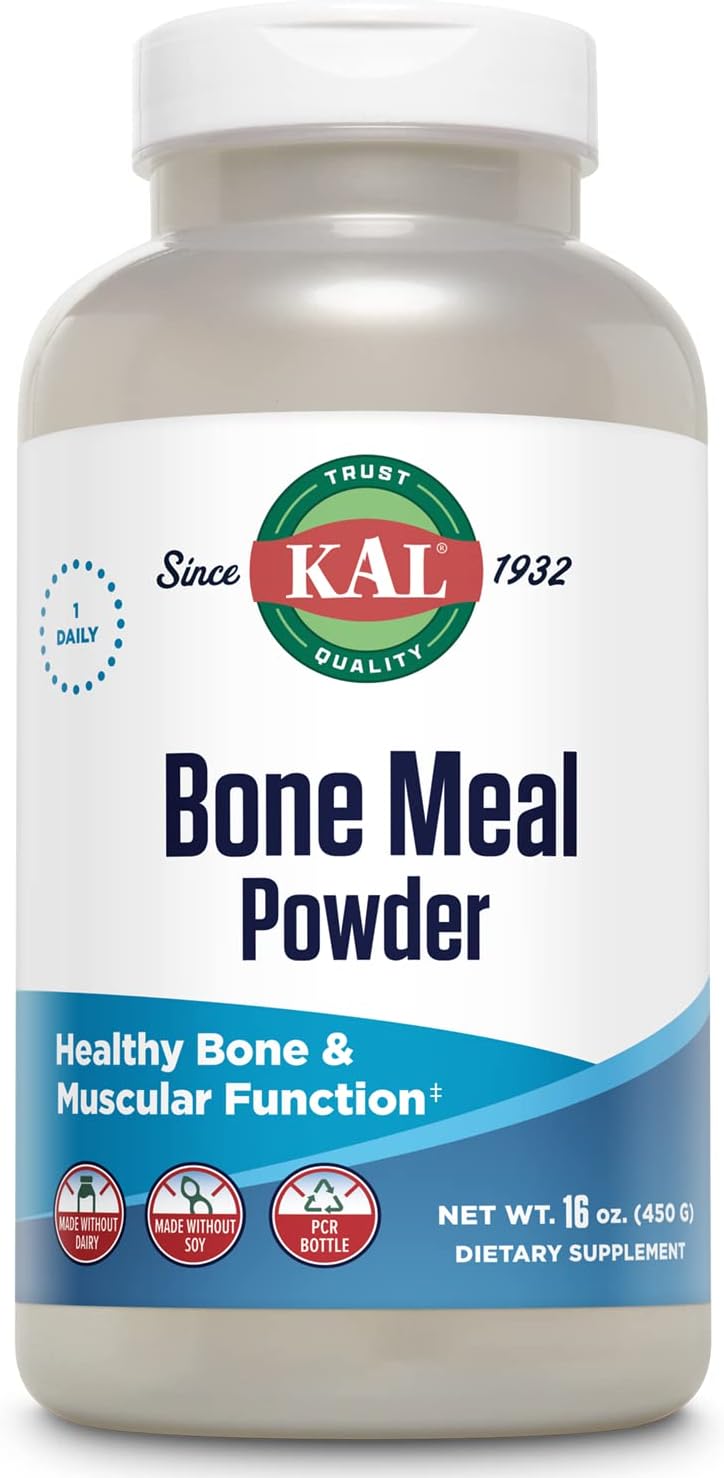
KAL Bone Meal Powder Excellent for Raw Dog Food
This bone powder is an excellent supplement for small dog’s raw diet. He cannot comfortably digest whole bones, so this powder is a great alternative. It dissolves easily into his food and provides just the right amount of extra bulk to firm up his stool. Overall, very effective.
Check Price- Canned fish with soft bones (like sardines).

Canned fish with soft bones (like sardines)
Great nutrition for the price but they are quite mushy. I can’t eat them on their own like other more expensive sardines but for cooking or being mashed up they’re fine. They also make a great cheap dog treat.
Check Price- Eggshell powder
Calcium for Dogs – Fine Eggshell Powder
This is an excellent product to ensure that our dog receives enough calcium. We add it to homemade dog food. Simple easy. No mess grinding egg shells. Good value. This size container has lasted for months and easy to store. Will buy again when needed.
Check Price- Commercial calcium supplements for dogs
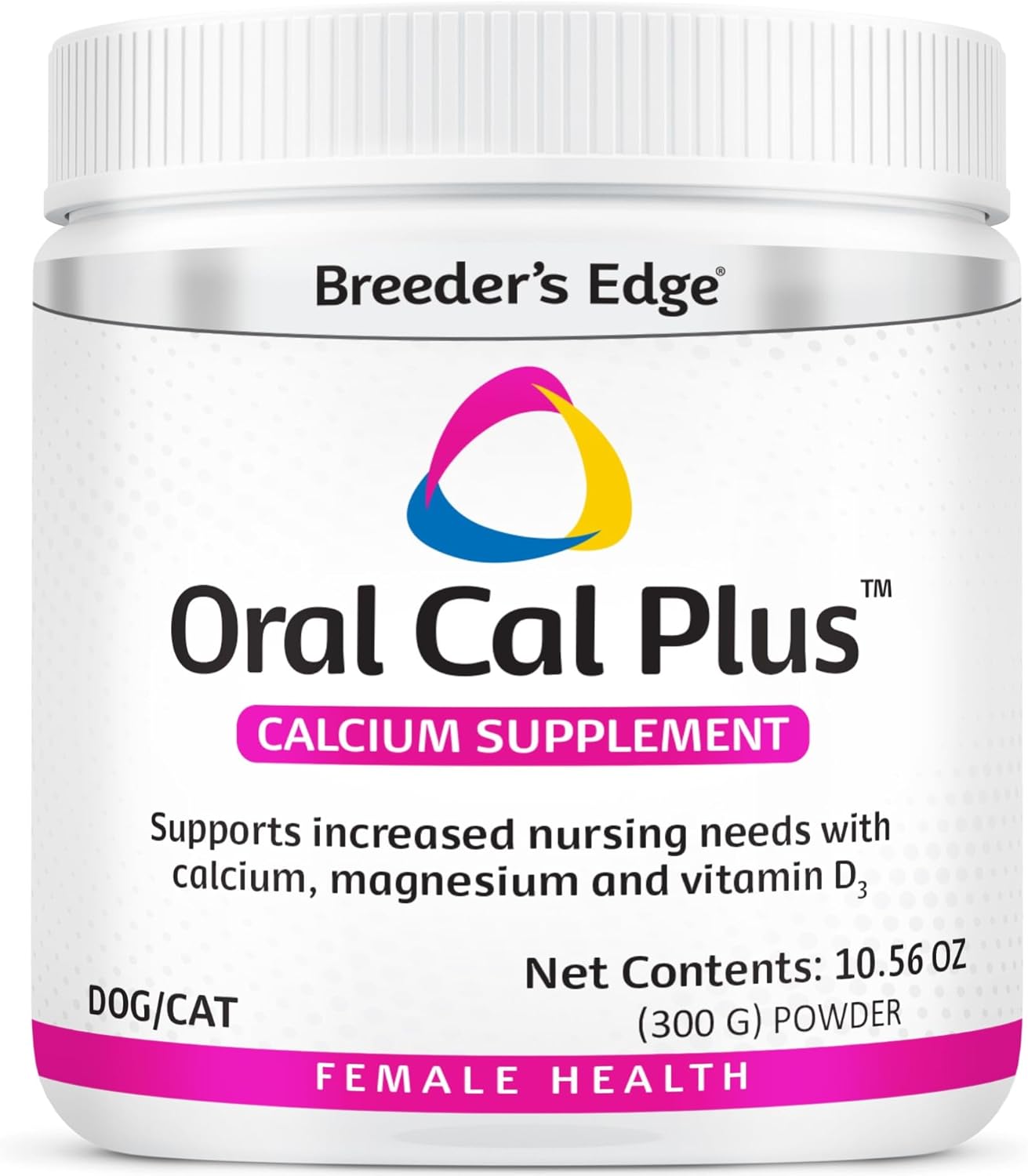
Calcium & Vitamin D₃ Whelping Supplement for Nursing Dogs
As a breeder, this is my go to for whelping! I used to use other products but the dogs hated the taste and it was always a struggle. This product tastes great to the dogs and they never seem bothered when I give it to them.
Check Price- Balanced raw meaty bone plans only when carefully designed with professional raw‑feeding expertise and vet oversight.
If your dog ever eats chicken bones by accident, monitor closely for signs like vomiting, gagging, bloody stool, abdominal pain, or lethargy, and contact a vet immediately.
How to Choose the Right Calcium Supplement From the 9 Best Options for Dogs
- Pure calcium only (you manage the rest of the diet):
- Nutricost Calcium Carbonate
- Pet’s Friend Eggshellent Calcium
- Animal Essentials Sea‑Cal / Nature’s Best Seaweed Calcium
- Balanced calcium + phosphorus + vitamins for puppies/growth:
- Doc Roy’s Healthy Bones
- Sure Grow 100
- NaturVet Calcium‑Phosphorus + Vitamin D
- Nutrition Strength Calcium Phosphorus Chewables
- Overall multivitamin with some calcium (general health):
- Pet Naturals Daily Multi
For any of these, especially the higher‑dose calcium–phosphorus products, it is wise to check with a veterinarian to avoid over‑supplementation, particularly in large‑breed puppies, pregnant/lactating females, or dogs with kidney or urinary issues.
Signs Your Dog Is Getting Too Little or Too Much Calcium
Symptoms of Calcium Deficiency in Dogs
Signs that your dog may not be getting enough calcium (or not absorbing it properly) include:
- Weak or brittle bones – fractures or reluctance to jump/move.
- Muscle tremors or twitching.
- Stiff gait or difficulty standing.
- Poor growth or limb deformities in puppies.
- Seizures in severe hypocalcemia.
These symptoms are medical emergencies and require prompt veterinary diagnosis and treatment.
Signs of Excess Calcium in Dogs
Too much calcium (hypercalcemia or chronic oversupply) can cause:
- Lethargy and weakness.
- Decreased appetite and weight loss.
- Increased thirst and urination.
- Digestive issues like vomiting or constipation.
- Urinary stones or kidney strain.
Long‑term over‑supplementation in growing dogs can also disrupt normal bone development.
When to See a Veterinarian
If you notice any of the above signs, especially in combination, see a vet. Diagnosis might include:
- Blood tests to measure calcium levels.
- Urine tests to check kidney function and stones.
- Diet review to assess total calcium and mineral balance.
How to Make Sure Your Dog Gets the Right Amount of Calcium
How to Calculate Calcium in a Dog’s Diet
A practical approach:
- Confirm the base diet
- If it’s a complete commercial food, check the bag or can for calcium content per 1,000 kcal and confirm it meets recognized minimums.
- Estimate daily requirements
- Adult: around 50 mg calcium per kg of body weight per day.
- Puppies, pregnant and lactating dogs: significantly higher; use life‑stage foods or professional guidance.
- Calculate what the food provides
- For homemade diets, use nutritional data to estimate how many mg of calcium are in all ingredients plus any supplement.
- Compare intake vs requirement
- If intake is below target, add a safe calcium source.
- If it is significantly above, reduce or remove added calcium.
Calcium–Phosphorus Ratio in Dog Diets
For good bone and mineral balance, the overall diet should have a calcium‑to‑phosphorus ratio (Ca:P) between about 1.2:1 and 2:1. Too little calcium compared to phosphorus forces the body to rob calcium from bones; too much calcium relative to phosphorus can also cause problems, especially in young dogs.
Commercial foods are formulated to hit this ratio. Home‑prepared diets must account for it deliberately, especially if they include a lot of meat (high in phosphorus) with little or no bone.
Balancing Calcium in Homemade and Raw Dog Food
If you feed homemade or raw:
- Decide whether you will use ground raw meaty bones, eggshell powder, or a commercial calcium supplement as your primary calcium source.
- Weigh food portions and use nutrient databases to estimate calcium and phosphorus.
- Adjust calcium up or down to keep the right daily amount and Ca:P ratio.
- Recheck calculations whenever you change recipes.
Because mistakes are easy to make, many owners choose to use veterinary‑formulated home‑cook recipes or consult a professional nutritionist.
Calcium Needs in Puppies, Seniors, and Special Cases
Calcium for Puppies and Large‑Breed Puppies
Puppies need calcium for rapid bone growth, but balance is critical:
- Too little calcium can lead to weak bones and deformities.
- Too much calcium, especially in large‑breed puppies, has been linked to developmental orthopedic diseases.
For this reason:
- Feed a puppy food formulated for growth, and for large breeds use one specifically labeled for them.
- Avoid adding extra calcium (eggshells, bone meal, tablets) on top of balanced puppy food unless your vet prescribes it.
- For puppies, pairing calcium supplements with safe chew toys for healthy teeth can make a big difference during early development.
Calcium for Senior Dogs
Senior dogs may:
- Eat less due to lower appetite or dental problems.
- Have reduced absorption of some nutrients.
Steps for seniors:
- Ensure they’re on a senior‑appropriate, complete diet.
- Monitor body weight and muscle condition.
- If they’re on a homemade or raw diet, check calcium and phosphorus levels periodically with your vet and adjust if needed.
Calcium for Pregnant, Lactating and Working Dogs
- Pregnant dogs need enough calcium for the developing puppies but should not be excessively supplemented during pregnancy, as this can alter hormone regulation.
- Lactating bitches require much more calcium due to milk production; specialized diets or carefully calculated supplementation may be needed.
- Working and highly active dogs have higher calorie and nutrient needs overall. Their calcium intake usually rises naturally when they eat more of a balanced diet, but homemade rations should still be checked to ensure they meet increased demands.
In all these cases, a tailored plan from a vet or nutritionist offers the safest route.
FAQs About Calcium for Dogs
Can dogs get enough calcium from regular dog food alone?
Yes. Most healthy adult dogs on a complete and balanced commercial diet receive enough calcium without any extras. The food is formulated to meet established calcium requirements per 1,000 kcal.
Is it safe to give my dog chicken bones for extra calcium?
No. Chicken bones—especially cooked ones—are dangerous because they splinter easily and can cause choking, internal tears, obstructions, and infections
. They should not be used as a calcium source.
How much calcium does my dog need per day by weight?
A typical adult dog needs about 50 mg of calcium per kilogram of body weight per day. For precise needs, especially for puppies, seniors, or pregnant dogs, ask your vet.
What are the best natural calcium sources for dogs at home?
Good natural sources include:
- Plain yogurt or cheese (if tolerated)
- Canned fish with soft bones (sardines, salmon)
- Finely ground eggshell powder
- Leafy greens and some vegetables, as supportive (not sole) sources
Can I use crushed eggshells as a calcium supplement for my dog?
Yes, if done properly. Clean, bake, and grind eggshells into a fine powder, then add measured amounts based on your dog’s weight and diet. Because eggshell powder is very concentrated, work with your vet to avoid oversupplying calcium.
How do I know if my dog has a calcium deficiency or too much calcium?
Watch for:
- Deficiency: weak bones, limping, muscle tremors, seizures, poor growth in puppies.
- Excess: lethargy, decreased appetite, increased drinking and urination, urinary stones.
A vet can confirm with blood tests, urine tests, and diet review.
Do puppies need extra calcium beyond puppy food?
No, not usually. Quality puppy food already contains the correct calcium amount and ratio for growth. Adding extra calcium on top can be harmful, especially in large‑breed puppies.
Are human calcium tablets safe for dogs?
Human calcium tablets can easily overdose a dog or upset mineral balance. Only use them if your vet explicitly approves the product and dosage. In most cases, dog‑specific supplements or balanced diets are safer.
What is the safest way to add calcium to homemade or raw dog food?
The safest method is to:
- Calculate your dog’s daily calcium requirement.
- Estimate calcium already present in the recipe.
- Add a measured amount of a safe calcium source (such as a veterinary‑approved supplement, eggshell powder, or bone meal) to reach, but not exceed, the target.
- Confirm the overall calcium‑phosphorus ratio is in the healthy range (about 1.2–2:1).
Doing this with professional guidance greatly reduces the risk of imbalance.
Conclusion
Dogs get calcium from what they eat: primarily balanced commercial dog foods, and when appropriate, carefully chosen natural foods or supplements. Most healthy adult dogs do not need extra calcium added to complete diets. Those on homemade or raw plans, growing puppies, pregnant or lactating females, and seniors may require more careful planning to avoid both deficiency and oversupply.
Chicken bones, despite being rich in calcium, are not a safe way to meet calcium needs due to serious risks of splintering, choking, and internal injury. Safer alternatives include properly formulated foods, eggshell powder, canned fish with edible bones, and vet‑approved supplements.
By understanding your dog’s life stage, estimating daily calcium needs, checking the diet, and watching for signs of imbalance, you can make informed choices that keep your dog’s bones, muscles, and overall health strong for years to come.

I’ve loved dogs all my life and have cared for many different breeds over the years. Here, I share simple tips, stories, and helpful advice for all dog lovers. Whether you’re a new pet parent or a lifelong dog fan, you’ll find something useful and fun on my site.