
Winter brings beautiful snowy landscapes and cozy moments, but it also raises an important question for pet parents: how much cold can a dog take before it becomes dangerous? Understanding your dog’s cold tolerance isn’t just about comfort; it’s about safety and preventing potentially life-threatening conditions like hypothermia and frostbite. Every dog is different, and what feels refreshing to a Siberian Husky might be dangerous for a Chihuahua.
In this comprehensive guide, we’ll explore the factors that determine cold tolerance, provide temperature guidelines for different breeds, and share practical tips to keep your furry friend safe during the winter months. Whether you’re dealing with mild chills or sub-zero temperatures, you’ll learn exactly when to keep your dog indoors and how to protect them when they need to be outside.

Ketive 55\”L Dog House Outdoor Large Breed Extra XL Wooden Dog House with Weatherproof Asphalt Roof, All-Around Iron Frame, Removable Floor, Openable Top Roof, Air Vents Window for Medium to Large Dogs
Check PriceUnderstanding Canine Cold Tolerance
Dogs have evolved from wolves with thick double coats, but thousands of years of domestication have created hundreds of breeds with vastly different abilities to handle cold weather. Your dog’s cold tolerance depends on several critical factors that work together to determine their comfort and safety levels.
The Role of Coat Type and Thickness
A dog’s coat is their primary defense against cold weather. Double-coated breeds like Malamutes, Samoyeds, and German Shepherds have a dense undercoat that traps warm air close to the skin, while their outer guard hairs repel moisture and wind. These dogs can typically handle much lower temperatures than single-coated breeds.
Single-coated breeds such as Greyhounds, Boxers, and most terriers lack that insulating undercoat. Their fur provides minimal protection against cold, making them much more susceptible to low temperatures. Additionally, dogs with thin or short hair, regardless of coat type, will feel the cold more intensely than those with thick, long fur.
Body Size and Mass Matters
Larger dogs generally retain heat better than smaller dogs due to their favorable surface area-to-volume ratio. A Great Dane has less surface area relative to their body mass compared to a Yorkie, meaning they lose heat more slowly. Small dogs like Chihuahuas and toy breeds can become dangerously cold in temperatures that barely bother a large breed.
However, very large dogs with short coats may still need protection in extreme cold. It’s not just about size—it’s about the combination of size, coat, body condition, and overall health that determines cold tolerance.
Age and Health Considerations
Puppies and senior dogs have a much harder time regulating their body temperature. Puppies haven’t fully developed their ability to shiver effectively or maintain consistent body heat. Senior dogs often have reduced muscle mass, slower metabolism, and may have underlying health conditions that compromise their ability to stay warm.
Dogs with certain medical conditions—such as hypothyroidism, diabetes, heart disease, or kidney disease—are also more vulnerable to cold weather. These conditions can affect circulation, metabolism, and overall resilience to environmental stressors. Always consult your veterinarian if you’re unsure about your dog’s specific health risks in cold weather.
Temperature Guidelines: When Is It Too Cold?
Ketive 55\”L Dog House Outdoor Large Breed Extra XL Wooden Dog House with Weatherproof Asphalt Roof, All-Around Iron Frame, Removable Floor, Openable Top Roof, Air Vents Window for Medium to Large Dogs
Check PriceWhile every dog is an individual, veterinary experts have established general temperature guidelines to help pet owners make safe decisions. These aren’t absolute rules, but they provide a reliable framework for assessing risk.
Above 45°F (7°C): Generally Safe
Most healthy, adult dogs can handle temperatures above 45°F without significant risk. However, this doesn’t mean every dog will be comfortable. Small dogs, short-haired breeds, and those with health conditions may start feeling chilly even at these temperatures. Watch for subtle signs like lifting paws, shivering, or seeking warm spots.
32°F to 45°F (0°C to 7°C): Use Caution
When temperatures drop below 45°F, you should start being more cautious, especially with vulnerable dogs. At freezing temperatures (32°F), most medium and large double-coated dogs can still enjoy short outdoor sessions, but small dogs and short-haired breeds should have limited exposure and may need protective gear.
Below 32°F (0°C): High Risk Zone
Once temperatures fall below freezing, the risk increases significantly for many dogs. Medium and large double-coated breeds can typically handle brief outdoor activities down to about 20°F (-7°C), but smaller dogs and those with thin coats should have very limited outdoor time—just enough for bathroom breaks.
Below 20°F (-7°C): Dangerous for Most Dogs
At these temperatures, even cold-hardy breeds shouldn’t spend extended periods outdoors. Frostbite can occur on exposed skin (ears, tail, paw pads) within minutes. Most dogs, regardless of breed, should only be outside for brief, necessary trips when temperatures are this low.
For more detailed information about understanding temperature thresholds for dogs, check out our comprehensive guide that breaks down specific risks by temperature ranges.
Breed-Specific Cold Tolerance
Ketive 55\”L Dog House Outdoor Large Breed Extra XL Wooden Dog House with Weatherproof Asphalt Roof, All-Around Iron Frame, Removable Floor, Openable Top Roof, Air Vents Window for Medium to Large Dogs
Check PriceDifferent breeds have evolved for different climates, and this evolutionary history plays a huge role in how much cold a dog can take. Let’s look at some general categories.
Arctic and Northern Breeds
Breeds like Siberian Huskies, Alaskan Malamutes, Samoyeds, and Norwegian Elkhounds were bred for freezing climates. These dogs typically have incredible cold tolerance and can often handle temperatures well below 20°F for extended periods. However, even these breeds have limits and can suffer in extreme wind chills or wet conditions.
- Siberian Husky: Can handle -20°F to -30°F with proper shelter
- Alaskan Malamute: Similar tolerance, built for heavy hauling in snow
- Samoyed: Thick double coat provides excellent insulation
- Newfoundland: Water-resistant coat helps in cold, wet conditions
Cold-Sensitive Breeds
Some breeds are notoriously bad at handling cold weather. These include toy breeds, short-haired dogs, and those with minimal body fat. Breeds like Greyhounds, Whippets, Italian Greyhounds, Chihuahuas, Boston Terriers, and French Bulldogs often need protection even in relatively mild cold.
Hairless breeds like the Chinese Crested or Xoloitzcuintli are extremely vulnerable to cold and may need protection even indoors during winter months. These dogs often require sweaters, coats, and booties whenever temperatures drop below 60°F.
Recognizing the Signs of Cold Stress
Dogs can’t tell us when they’re cold, so it’s crucial to recognize the physical and behavioral signs that indicate your dog is struggling with low temperatures. Catching these signs early can prevent serious complications.
Early Warning Signs
- Shivering or trembling
- Lifting paws off the ground repeatedly
- Curling tail between legs
- Hunched posture with head down
- Reluctance to walk or slowing down
- Seeking warm surfaces or trying to go inside
- Whining or anxious behavior
Dangerous Symptoms Requiring Immediate Action
If you notice any of these symptoms, get your dog warm immediately and contact your veterinarian:
- Intense shivering that suddenly stops (a sign of worsening hypothermia)
- Weakness or stumbling
- Confusion or disorientation
- Pale or blue-tinged gums and skin
- Muscle stiffness
- Difficulty breathing
- Loss of consciousness
Protecting Your Dog in Cold Weather
Once you understand how much cold your dog can take, the next step is implementing strategies to keep them safe. Protection goes beyond just limiting outdoor time; it involves preparation, appropriate gear, and creating warm environments.
Dog Coats and Sweaters
For dogs that need extra warmth, a well-fitted coat or sweater can make a significant difference. Look for coats that cover the chest and belly, as these areas lose heat quickly. Waterproof or water-resistant outer layers are essential in wet snow or rain, as wet fur loses its insulating properties dramatically.
Not all dogs need coats, and some may overheat if forced to wear them indoors or in milder temperatures. Use coats as a tool for outdoor protection in cold weather, and remove them once you’re back inside to prevent overheating.
Paw Protection
Cold pavement, ice, and snow can be painful and damaging to your dog’s paw pads. Additionally, ice melt chemicals and salt can cause burns, dryness, and cracking. Dog booties provide the best protection, though some dogs need time to adjust to wearing them.
If your dog won’t tolerate booties, consider using paw wax or balm to create a protective barrier. Always wipe your dog’s paws after walks to remove ice, salt, and chemicals that could be harmful if licked off.
Adjusting Exercise Routines
When temperatures drop, you may need to modify your dog’s exercise routine. Shorter, more frequent walks are better than long excursions in extreme cold. Consider indoor play sessions, puzzle toys, or indoor agility exercises to keep your dog physically and mentally stimulated when it’s too cold to be outside for long.
If you do exercise your dog in cold weather, warm them up gradually with light activity before heading out, just as you would for yourself. Cold muscles are more prone to injury, and this is especially true for senior dogs or those with arthritis.
Special Considerations for Outdoor Dogs
Some dogs spend significant time outdoors due to their lifestyle or working roles. If your dog must be outside in cold weather, proper shelter and precautions are absolutely essential. This is where winter warmth strategies for your pet become critical for survival.
Proper Shelter Requirements
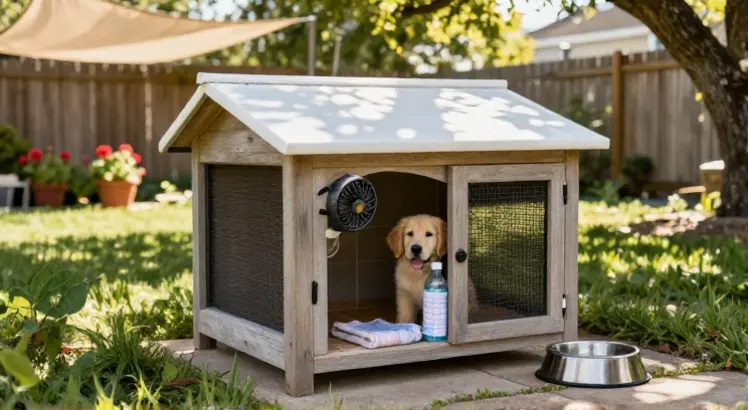
An outdoor dog house should be insulated, elevated off the ground, and small enough to retain the dog’s body heat but large enough for them to stand, turn around, and lie down comfortably. The entrance should face away from prevailing winds and can be covered with a flap to keep drafts out.
Bedding should be thick, dry, and changed regularly. Straw is often recommended over blankets, as it retains heat better when damp and doesn’t freeze as easily. However, bedding must be monitored and replaced if it becomes wet or soiled.
Hydration and Nutrition
Dogs burn more calories trying to stay warm in cold weather, so they may need increased food portions, especially if they spend time outdoors. Ensure they have access to unfrozen water at all times—heated water bowls can prevent freezing in sub-zero temperatures.
Dehydration is still a risk in winter, as dogs may be less inclined to drink cold water and snow is not a suitable replacement for fresh water. Check water sources frequently and break ice as needed.
Wind Chill and Weather Factors
Temperature alone doesn’t tell the whole story. Wind chill can make a 30°F day feel like 15°F, dramatically increasing the risk to your dog. Similarly, wet conditions—whether from rain, snow, or splashing through puddles—can cause a dog to lose body heat up to 25 times faster than in dry conditions.
Humidity also plays a role. Moist air conducts heat away from the body more efficiently than dry air, making humid cold particularly dangerous. Always check the “feels like” temperature rather than just the actual temperature when deciding how long your dog can safely stay outside.
Frequently Asked Questions
Can dogs get frostbite?
Yes, dogs can get frostbite, particularly on their ears, tail, and paw pads. Frostbite occurs when tissue freezes, causing damage that can range from mild to severe. In extreme cases, frostbite can lead to tissue death and require amputation. Signs include pale or blue skin, coldness to the touch, pain or swelling, and skin that turns black as it dies.
Should I leave my heat on for my dog when I’m not home?
In most cases, yes, especially if you have a cold-sensitive breed or if temperatures in your area drop significantly. Set your thermostat to at least 65-68°F to ensure your dog’s comfort and safety. Programmable thermostats can help balance energy savings with your pet’s needs.
How do I know if my dog is warm enough when sleeping?
A comfortable dog will sleep peacefully with their paws tucked in or stretched out naturally. If they’re curled in a tight ball, shivering, or seeking out heat sources like vents or electronics, they may be too cold. Provide a warm bed away from drafts, and consider a self-warming bed or adding blankets.
Can short walks in extreme cold still be dangerous?
Yes, even brief exposure to extreme cold (below 20°F) can be risky, especially for small or short-haired dogs. Frostbite can begin in as little as 15-30 minutes on exposed skin in very low temperatures. Always assess conditions and your dog’s tolerance before heading out, no matter how short the walk.
Do dogs need sunscreen in winter?
Surprisingly, yes—dogs with thin fur or light-pigmented skin and noses can get sunburned even in winter, especially when snow reflects UV rays. If your dog will be in bright, snowy conditions for extended periods, ask your veterinarian about pet-safe sunscreen for vulnerable areas.
Conclusion: Prioritizing Your Dog’s Winter Safety
Understanding how much cold a dog can take is a combination of knowing general guidelines, recognizing your individual dog’s needs, and respecting the power of winter weather. No single rule applies to every dog, but by considering breed, size, age, health, and acclimation, you can make informed decisions that keep your pet safe.
Remember that when in doubt, it’s always better to err on the side of caution. The discomfort of missing a long walk is temporary, but the consequences of hypothermia or frostbite can be permanent or even fatal. Monitor your dog closely in cold weather, invest in appropriate protective gear, and create a warm, safe environment for them to thrive all winter long.
For more expert advice on keeping your dog safe in all seasons, consult resources from the American Veterinary Medical Association and talk to your veterinarian about your specific dog’s cold weather needs. Your furry friend depends on you to be their advocate and protector when temperatures drop—with the right knowledge and preparation, you can ensure they stay happy, healthy, and warm all winter long.