
As the temperature drops and snow begins to fall, responsible pet owners shift their focus to cold weather safety. While many dogs love playing in the snow, not all breeds are equipped to handle freezing temperatures. If you are wondering how to keep dog warm in winter, you are asking the right question. Hypothermia and frostbite are real risks for our canine companions, regardless of their fur type. This guide will provide you with actionable, expert-backed strategies to ensure your furry friend stays cozy, safe, and healthy all season long.

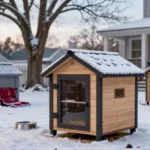
Ketive 55\”L Dog House Outdoor Large Breed Extra XL Wooden Dog House with Weatherproof Asphalt Roof, All-Around Iron Frame, Removable Floor, Openable Top Roof, Air Vents Window for Medium to Large Dogs
Check PriceUnderstanding Your Dog’s Cold Tolerance
Before bundling your pet in layers, it is crucial to understand that not all dogs experience cold the same way. A Siberian Husky has a completely different tolerance level than a Chihuahua or a Greyhound. Factors such as breed, age, health status, and coat type play a significant role in how well your dog handles the chill. Generally, if it is too cold for you to stand outside without a jacket, it is likely too cold for your dog.
Breeds That Need Extra Warmth
Short-haired, thin, small, or hairless breeds lose body heat rapidly. Additionally, senior dogs and puppies struggle to regulate their body temperature. If you own a breed like a French Bulldog, Italian Greyhound, or a senior Labrador, you must be proactive. These dogs often rely on external sources to stay warm.
How to Keep Your Dog Warm Outdoors
Winter walks are essential for mental stimulation, but they come with risks. Here is how to manage outdoor time safely.
1. Invest in a Quality Dog Coat or Sweater
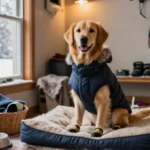
For short-haired dogs, a winter coat is not a fashion statement; it is a necessity. Look for coats that cover the belly and neck, as these areas lose heat quickly. If you are unsure if your specific dog needs one, check out our detailed guide on whether dogs need jackets based on their breed and size.
- Fit: Ensure the coat fits snugly but allows for full range of motion.
- Material: Opt for water-resistant materials to protect against snow and sleet.
2. Protect Their Paws
Snow, ice, and chemical de-icers can irritate or burn your dog’s paw pads. Consider booties to create a barrier. If your dog refuses to wear boots, apply a paw balm before and after walks to prevent cracking and dryness.
3. Limit Outdoor Exposure
During extreme cold snaps, shorten your walks. Focus on bathroom breaks and quick bursts of exercise rather than long hikes. Pay attention to your dog’s behavior; if they are lifting their paws, shivering, or whining, it is time to go inside immediately.
How to Keep Your Dog Warm Indoors
Indoor warmth is just as important as outdoor protection. Drafts and cold flooring can make your home uncomfortable for a dog that spends a lot of time sleeping.
4. Create a Cozy Sleeping Area
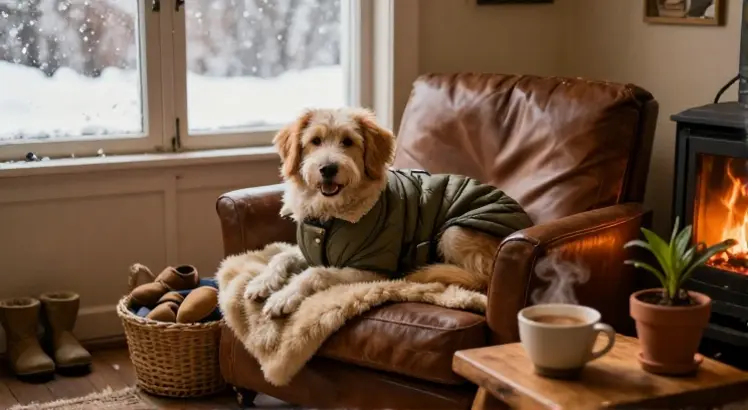
Dogs should not sleep on the floor or near drafty doors during winter. Provide a thick, orthopedic bed with extra blankets. Raised beds are excellent because they keep your pet off the cold floor. For dogs that spend time in garages or basements, ensure they have access to a heated mat or a well-insulated kennel.
5. Adjust the Thermostat
While you might prefer a cooler house to save on heating bills, remember that your dog has a different comfort level. If you are away at work, keep the heat set to at least 65-68°F (18-20°C). If you have a puppy or a hairless breed, you might need to keep it slightly warmer.
6. Grooming Matters
It might seem logical to let your dog’s coat grow out, but matted fur actually loses its insulating properties. Regular brushing helps fluff up the fur, which traps warm air close to the skin. However, avoid shaving your dog down to the skin in winter; keep the coat longer for natural protection.
Nutritional Needs and Hydration
Keeping warm requires energy. Your dog’s metabolism may increase in winter as their body works harder to maintain its core temperature.
7. Increase Caloric Intake (If Necessary)
Outdoor dogs or highly active dogs may need slightly more food during the winter months to fuel their body’s heat production. Consult your vet before making significant changes to their diet.
8. Prevent Dehydration
Dogs can dehydrate just as quickly in winter as in summer. Snow is not a suitable substitute for fresh water. Check your dog’s water bowl frequently to ensure it hasn’t frozen over, and encourage them to drink regularly.
Recognizing the Signs of Hypothermia
Despite your best efforts, accidents can happen. It is vital to recognize the signs of hypothermia early. According to the American Kennel Club, symptoms include:
- Intense shivering (which may stop as the condition worsens).
- Lethargy or weakness.
- Stiff muscles and lack of coordination.
- Pale or blue gums.
If you suspect your dog is suffering from hypothermia, wrap them in warm blankets (do not use hot water bottles directly on the skin) and contact your veterinarian immediately.
Frequently Asked Questions (FAQs)
Can I leave my dog outside in the winter?
It is not recommended to leave dogs outside for extended periods in freezing temperatures. If your dog must stay outdoors, they need a well-insulated, draft-free shelter raised off the ground with warm bedding. You can read more about safe outdoor setups in our article regarding temperature thresholds for canines.
Do dogs feel cold in the house?
Yes, especially if the flooring is tile or hardwood. Dogs lose body heat through their paws. Providing rugs, carpets, or a dedicated dog bed can help them retain heat while indoors.
Is it okay to use a human heating pad for my dog?
No. Human heating pads can get too hot and cause burns, or they might malfunction if chewed on. Always use a heating pad specifically designed for pets, which has chew-resistant cords and lower, safer temperature settings.
Conclusion
Winter can be a magical time for you and your pet, but it requires vigilance. By understanding your dog’s specific needs, investing in protective gear like coats and booties, and creating a warm indoor environment, you can prevent cold-weather hazards. Always monitor your pet for signs of discomfort and consult your vet if you have concerns about their health in the cold. Stay warm, and enjoy the season safely!